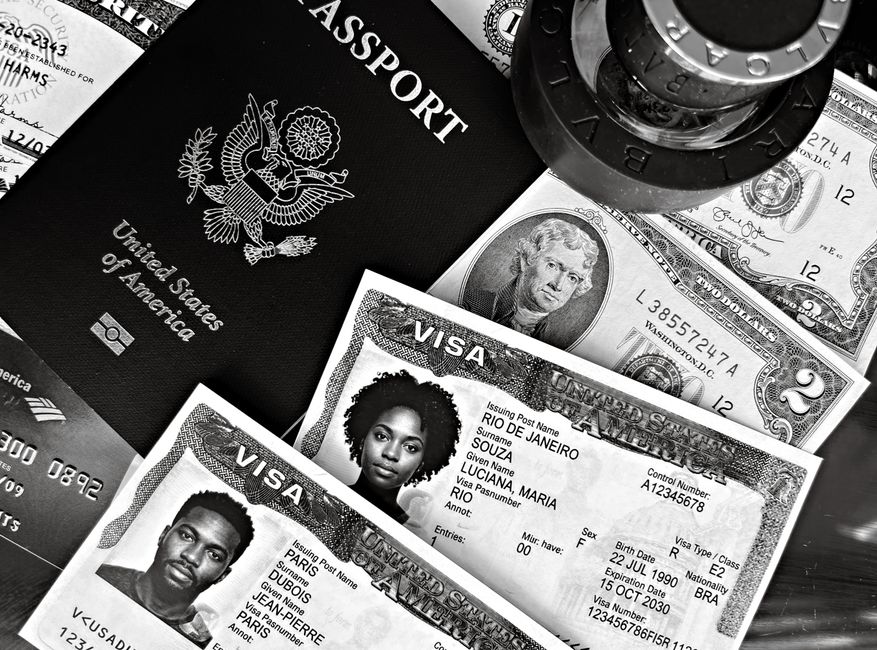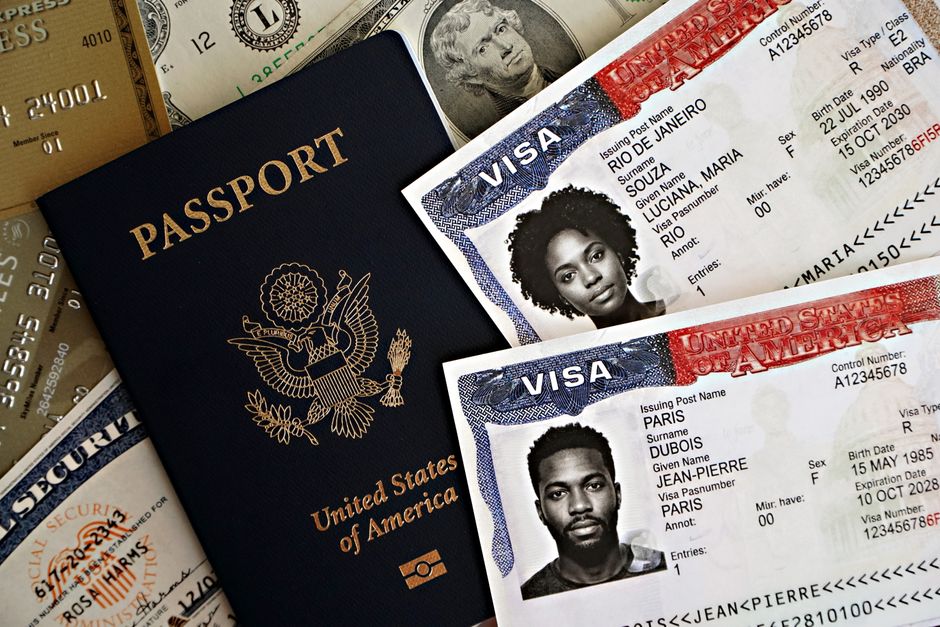
A US green card holder can simultaneously apply for a Canadian work permit, provided they meet each country’s eligibility rules and maintain separate immigration processes. The core requirement is that the applicant must be legally resident in the United States while satisfying Canada’s own work‑permit criteria, such as a valid job offer, Labour Market Impact Assessment (LMIA) or eligibility under an open work‑permit stream. There is no legal prohibition against holding a US permanent residency while pursuing a Canadian work authorisation, but each application must be completed independently and truthfully.
First, assess eligibility for the Canadian work permit. MyVisaAI’s instant qualification matching can quickly determine whether you qualify under the Employer‑Specific Work Permit, Open Work Permit, or a program like the International Experience Canada (IEC). The platform also provides a detailed fee breakdown and processing‑timeline estimate, helping you plan financially and schedule your applications without conflict. For a deeper dive into Canada’s points‑based system, see our guide on How to calculate Canada Express Entry CRS score in 2026.
Next, consider the US side. As a green‑card holder you retain the right to live and work in the United States, but you must keep your US residency obligations, such as filing tax returns and not abandoning your permanent‑resident status by staying outside the US for extended periods. If you travel to Canada for work, ensure you have a valid US re‑entry document (e‑card) and maintain ties to the US. The US does not require you to obtain a separate visa to leave the country, but you should be aware of any travel restrictions that could affect your green‑card status.
When filing the Canadian application, you will need a comprehensive document checklist. MyVisaAI generates a step‑by‑step required‑document list, covering employer letters, LMIA approval (if applicable), proof of qualifications, and financial support evidence. The platform also offers intelligent PDF form assistance, reducing the risk of errors on forms such as the Work Permit Application (IMM 1295). For US visa‑related forms, you might find the guide on How to fill out the US DS‑160 form without mistakes useful for cross‑reference.
Processing timelines differ: a Canadian work permit typically takes 2‑4 months after submission, while US green‑card processing can span years depending on the category. By applying concurrently, you can align your move schedule, but be prepared for overlapping waiting periods. MyVisaAI’s timeline estimator helps you visualize both tracks side‑by‑side, so you can avoid gaps in employment or residency.
Finally, keep compliance in mind. Both countries require truthful disclosures; any misrepresentation on one application can affect the other. Maintain separate records, track fees in USD for budgeting, and stay updated on policy changes in the US, Canada, and the UK if you later consider additional pathways. Leveraging an AI‑driven immigration assistant ensures you stay organized and compliant across borders.