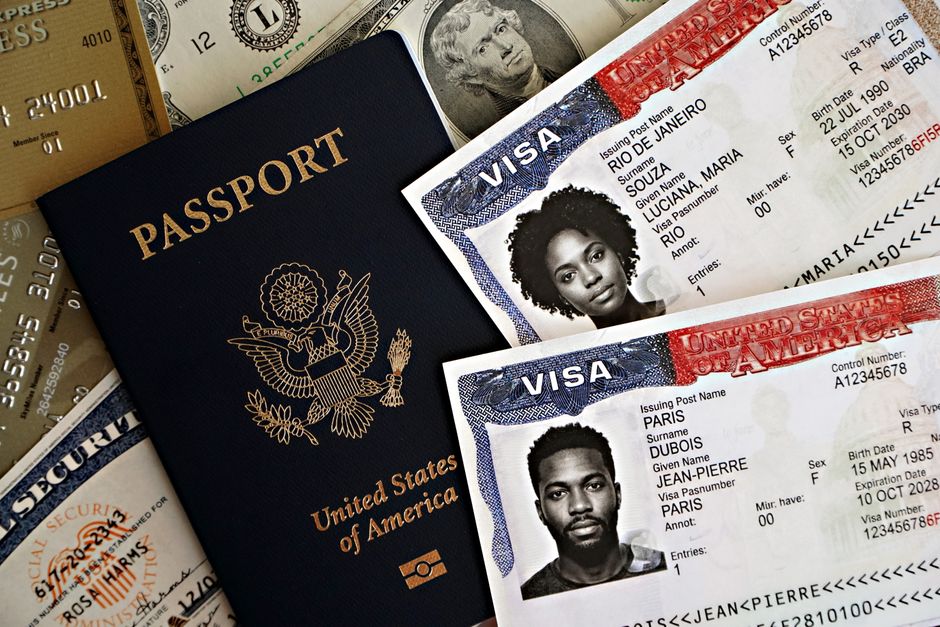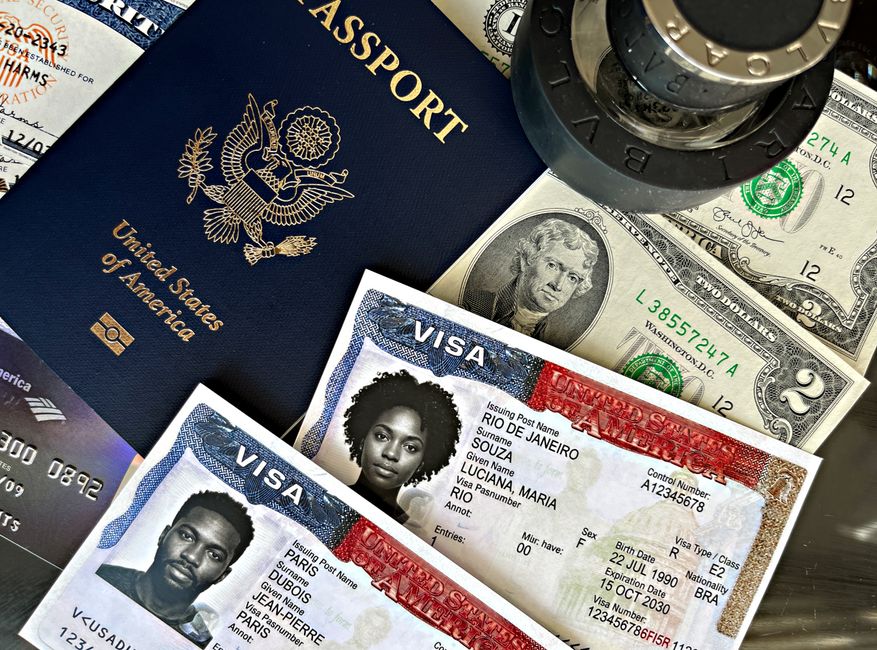
A B1/B2 visitor visa is strictly for tourism, business meetings, and short‑term training; it does not allow you to accept employment or engage in active job hunting while physically in the United States. The core rule is that you cannot work for a U.S. employer or sign a contract until you obtain a visa category that authorizes employment, such as an H‑1B or L‑1. This direct answer satisfies the featured‑snippet requirement and sets the legal baseline for the discussion that follows.
While you cannot interview or sign an offer on a B1/B2, you are allowed to research job markets, attend networking events, and gather information about potential employers. Many professionals use this time to attend industry conferences, meet contacts, or explore company websites. However, any conversation that could lead to a job offer must be clearly framed as exploratory, and you must leave the country before any formal employment begins.
If you receive a job offer while on a visitor visa, you must depart the U.S. and apply for a work‑authorizing visa from abroad. Common pathways include the H‑1B specialty occupation visa, the L‑1 intra‑company transfer, or the O‑1 for individuals with extraordinary ability. MyVisaAI’s AI‑powered eligibility evaluator can instantly match your credentials to the right visa category and generate a step‑by‑step checklist to prepare your application, saving you weeks of manual research.
For candidates considering a transition, understanding fee structures and processing timelines is crucial. MyVisaAI provides an instant fee breakdown and timeline estimate for each visa type, from the $190 B1/B2 filing fee to the $2,500+ H‑1B petition costs. You can also read our guide on How to estimate total fees for a US B1/B2 visa using MyVisaAI’s calculator for budgeting purposes.
International job seekers should also be aware of the status‑change process. Changing from B1/B2 to a work visa typically requires filing a Form I‑129 (for H‑1B/L‑1) or I‑140 (for employment‑based green cards) while you are still outside the U.S. Some employers may file a petition on your behalf, after which you apply for a visa at a U.S. consulate. Our platform links directly to official USCIS pages and can auto‑fill the necessary forms, ensuring accuracy and compliance.
If your ultimate goal is long‑term residence, consider the employment‑based green‑card route. MyVisaAI also offers an AI‑driven tool to compare US visa fee structures across categories, helping you decide whether an H‑1B, L‑1, or direct EB‑2/EB‑3 petition best aligns with your career plan. For a deeper dive into tracking green‑card priority dates, see our article How to track US employment‑based green card priority dates and backlogs.
In summary, while a B1/B2 visitor visa does not permit direct job seeking or employment, you can still gather information, network, and secure a future offer that you will act on after obtaining the proper work visa. Leveraging AI tools like MyVisaAI ensures you stay compliant, understand costs, and move efficiently from visitor status to a legally authorized work status.