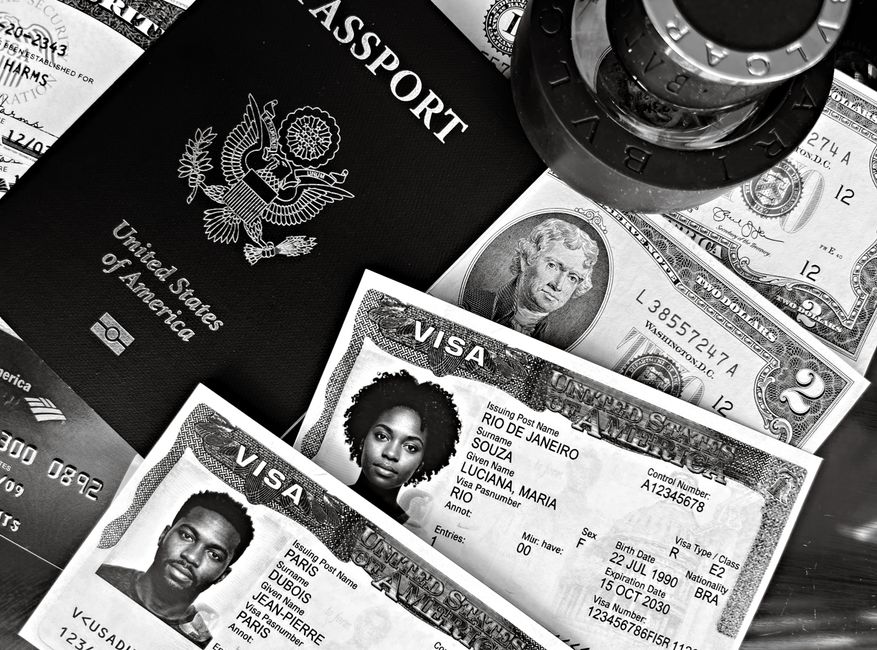
A US visitor visa (B1/B2) is rejected most often due to insufficient proof of ties to the applicant's home country, incomplete documentation, or inconsistencies in the application; addressing these issues with a clear eligibility check, complete paperwork, and honest interview answers can dramatically improve approval odds.
Understanding the visa’s purpose is the first safeguard. The B1/B2 category is strictly for short‑term business or tourism, not for work, study, or long‑term residence. Applicants must clearly state the intended activities, duration of stay, and travel itinerary, and align these details with the supporting evidence they provide.
One of the most cited rejection grounds is the failure to demonstrate strong ties to the home country. Ties include stable employment, property ownership, family obligations, or ongoing education. Including recent pay stubs, a letter from an employer confirming leave, property deeds, or enrollment verification can satisfy the consular officer that the applicant will return after the visit.
Financial sufficiency is another frequent stumbling block. Consular officers look for enough funds to cover travel, accommodation, and daily expenses without resorting to unauthorized employment. Present bank statements for the last three to six months, proof of sponsorship if applicable, and a detailed budget that matches the planned itinerary.
Incomplete or inaccurate forms are a quick route to denial. The DS‑160 must be filled out completely, with every field answered honestly. Common errors include misspelled names, outdated passport numbers, or omitted travel history. Using an AI‑driven tool like MyVisaAI’s intelligent PDF form assistance helps ensure every required field is correctly completed before submission.
Document inconsistencies between the DS‑160 and the supporting paperwork raise red flags. For example, if the travel dates on the itinerary differ from those listed on the DS‑160, the officer may suspect fraud. Cross‑checking every datum—dates, addresses, and purpose of visit—eliminates such mismatches.
A poorly prepared interview can undo even a flawless paper application. Applicants should practice concise, truthful answers to typical questions: "What is the purpose of your trip?", "How long will you stay?", and "What ties bring you back home?" Demonstrating confidence and consistency reduces the perception of hidden motives.
Previous immigration violations—overstays, unauthorized work, or prior visa denials—must be disclosed. Trying to hide them leads to automatic rejection and future bans. Instead, provide a brief explanation and any corrective steps taken, such as obtaining a new passport or a letter of explanation.
Security and background checks can flag applicants with criminal records, even minor ones. If you have a conviction, gather court documents, sentencing details, and proof of rehabilitation. Presenting this information proactively shows transparency and may mitigate the impact on the decision.
The timing of the application matters. Submitting too close to the intended travel date can give consular officers insufficient time to process the case, especially during peak seasons. Aim to apply at least three months before departure, allowing for any additional documentation requests.
Finally, leveraging technology can streamline the entire process. MyVisaAI offers a free eligibility assessment that instantly tells you whether you meet the basic criteria for a B1/B2 visa, provides a detailed fee breakdown, and generates a personalized document checklist. This preparation reduces the likelihood of missing paperwork and improves confidence going into the interview.
In summary, avoid rejection by (1) proving strong home‑country ties, (2) showing sufficient funds, (3) completing the DS‑160 without errors, (4) aligning all documents, (5) preparing for the interview, and (6) disclosing any prior immigration issues. Using AI‑powered assistance and starting the process early positions you for a successful US visitor visa outcome.