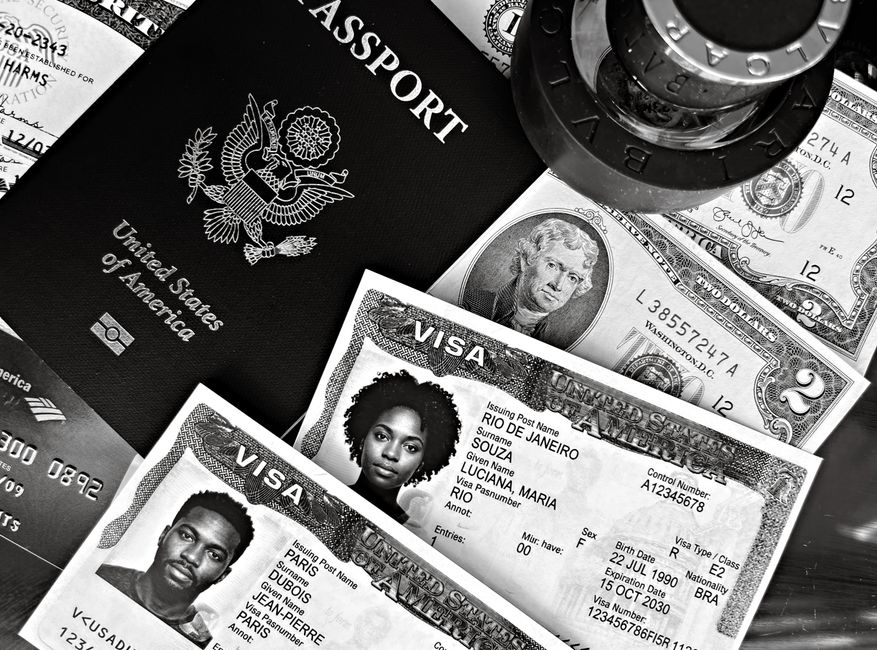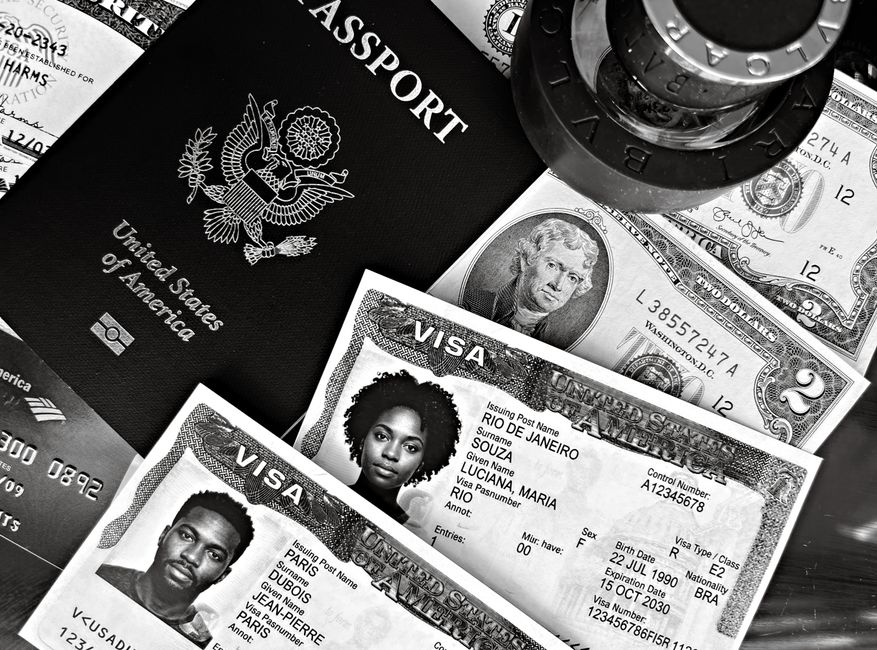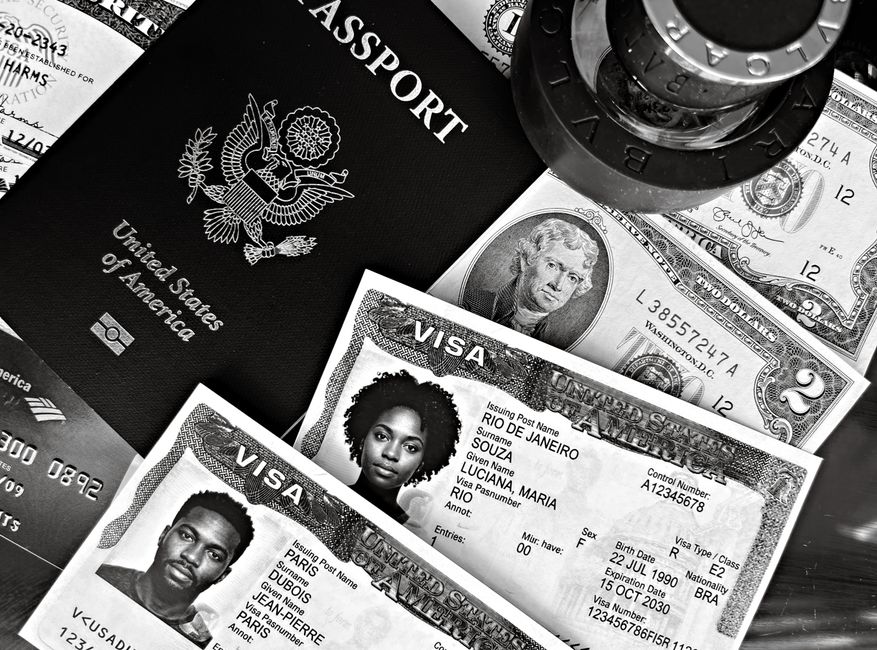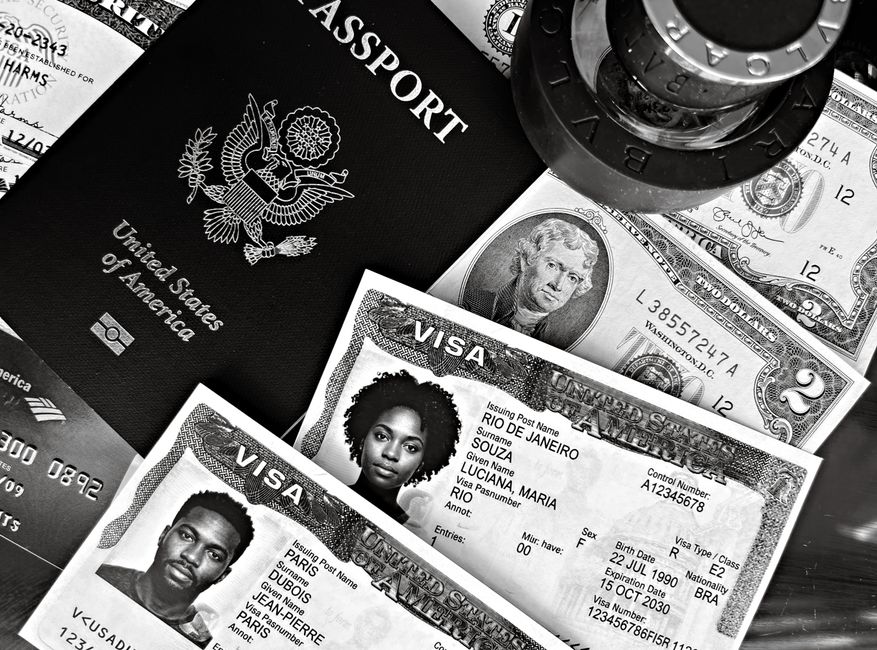
The short answer: using an AI cost calculator, a US F‑1 student visa incurs roughly $560 in filing fees, $500‑$2,000 in SEVIS and tuition‑related costs, and takes about 2‑4 weeks to process, whereas a Canadian Study Permit involves about $150 in government fees, $150‑$500 in biometric and tuition‑related expenses, and typically requires 8‑12 weeks for approval.
When you input your personal details into MyVisaAI’s AI visa assistant, the platform instantly breaks down each fee component for both the US F‑1 and Canadian Study Permit pathways. For the US, the primary costs are the I‑901 SEVIS fee ($350 for F‑1) and the DS‑160 filing fee ($560), plus any additional tuition deposits required by the school. In Canada, the calculator adds the $150 Study Permit processing fee, the $150 biometric fee for adults, and any provincial fees that may apply.
Beyond raw fees, the AI cost calculator also factors in ancillary expenses that often surprise applicants, such as courier services for document delivery, translation and notarization costs, and the potential need for a third‑party visa consultancy. By aggregating these items, MyVisaAI provides a total cost estimate that is more realistic than the headline government fees alone.
Processing timelines differ markedly between the two countries. The AI engine pulls data from USCIS and the Department of State to predict a 2‑4 week turnaround for an F‑1 visa when the applicant’s school issues a Form I‑20 promptly. In contrast, Canada’s IRCC data shows an 8‑12 week average for Study Permit approvals, though the AI timeline predictor can highlight faster routes for applicants from low‑risk countries or those using the Student Direct Stream (SDS).
Eligibility assessment is another area where AI shines. MyVisaAI’s instant qualification matching evaluates GPA, language test scores (TOEFL/IELTS), and financial proof against both US and Canadian criteria, instantly flagging any gaps that could cause delays or additional fees, such as the need for a supplemental financial affidavit for the US or a Guaranteed Investment Certificate (GIC) for Canada’s student stream.
The platform also offers a side‑by‑side checklist comparison. For the US F‑1, required documents include the I‑20, proof of funds (minimum $20,000‑$30,000 per year), passport, SEVIS fee receipt, and DS‑160 confirmation page. The Canadian Study Permit checklist adds the acceptance letter, proof of tuition payment, biometric enrollment confirmation, and a police certificate for certain nationalities. MyVisaAI automatically generates these checklists, reducing the risk of missing paperwork that could extend processing times.
Currency conversion and budgeting are built into the AI calculator, presenting all costs in USD for global clarity. This is especially useful for international students who need to compare the $560 US filing fee with the $150 Canadian fee while also accounting for exchange rate fluctuations and the cost of living differences between the two destinations.
For applicants concerned about hidden costs, the AI assistant flags potential additional fees such as the US visa issuance fee (which varies by reciprocity) and Canada’s potential provincial nominee program fees if the student later seeks a work permit. This forward‑looking approach helps students budget for long‑term immigration pathways, not just the initial entry.
Security and privacy are paramount. MyVisaAI’s free eligibility assessment uses encrypted data transmission and stores no personal data beyond the session, ensuring that sensitive financial information remains protected while you explore fee differences and processing timelines.
If you’re interested in deeper insights, explore related resources such as the How to use an AI visa assistant to calculate the total cost of a Canadian Super Visa for parents and the What AI tools can help me determine my eligibility for the UK Skilled Worker visa in 2027? for broader context on AI‑driven immigration planning.
In summary, an AI cost calculator like MyVisaAI provides a transparent, side‑by‑side financial and timeline comparison between the US F‑1 student visa and the Canadian Study Permit, empowering global students to make informed decisions based on real‑world fee structures, processing speeds, and eligibility nuances.
Related Guide: How to use MyVisaAI to estimate total costs for a UK Global Talent visa without a UK sponsor