A US F‑1 student visa traditionally requires full‑time enrollment, but the pandemic and evolving remote‑work norms have created scenarios where students pursue part‑time study while maintaining remote employment. To qualify, you must still meet the core eligibility criteria: enrollment in an SEVP‑certified institution, sufficient funds, and a clear intent to study in the United States. Below is a comprehensive checklist of the documents you’ll need to compile before you start the application, ensuring both the US immigration authorities and your school understand your unique situation.
Form I‑20 (Certificate of Eligibility) – This is the cornerstone of any F‑1 application. Your designated school’s international office must issue an I‑20 reflecting your part‑time study load, the program start and end dates, and the estimated cost of attendance. If you are taking online courses, the I‑20 should note any on‑campus or in‑person components required to maintain status, as the US government still mandates a minimum of 12 credit hours for full‑time status once you are physically in the U.S.
Proof of Enrollment – Provide an official acceptance letter from your institution and a current transcript or enrollment verification that shows you are registered for part‑time classes. If your program permits hybrid learning, include a schedule that details which courses are delivered online versus in‑person. This helps consular officers confirm that your study plan complies with SEVP regulations.
Financial Documentation – You must demonstrate that you have enough funds to cover tuition, living expenses, and any dependents for at least one academic year. Accepted documents include bank statements (last three months), a sponsor letter, scholarship award letters, or a combination thereof. When working remotely, you can also submit recent pay stubs or a contract that proves your remote income, provided the earnings are not used to replace the required tuition‑and‑living‑expense funding.
DS‑160 Confirmation Page – Complete the online non‑immigrant visa application (DS‑160) and print the confirmation page with the barcode. This form captures your personal data, travel plans, and background information. Double‑check that you select “F‑1 Student” as the purpose of travel and accurately describe your part‑time study arrangement in the “Purpose of Trip” field.
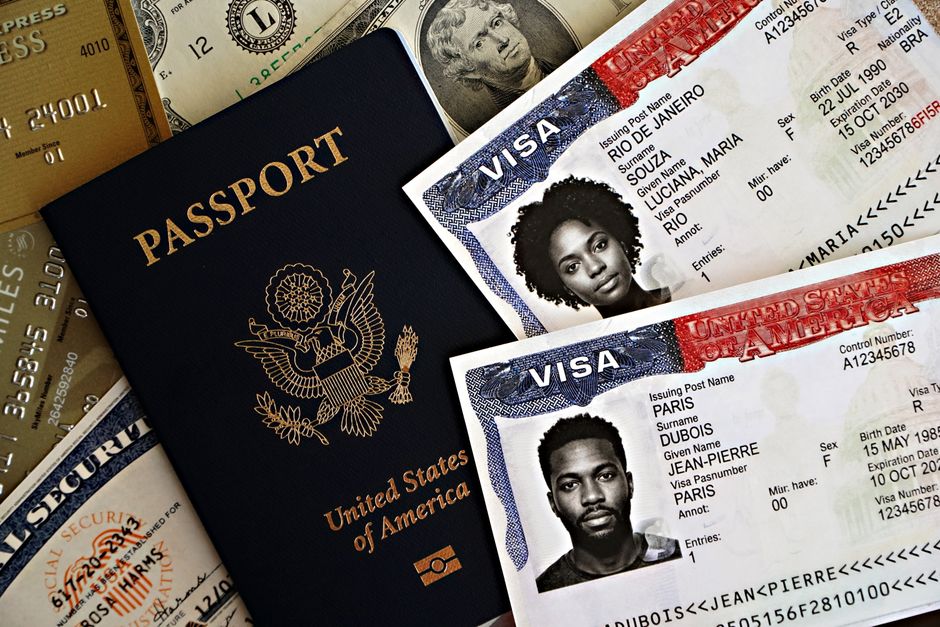
Valid Passport – Your passport must be valid for at least six months beyond your intended stay in the United States. Include a clear, color‑scanned copy of the biographic page for the visa interview. If you hold multiple passports, use the one with the longest validity to avoid unnecessary renewals.
SEVIS Fee Receipt – Pay the I‑901 SEVIS fee ($350 for F‑1 students) and retain the electronic receipt. The receipt proves you have activated your SEVIS record, a prerequisite for the visa interview. The fee is non‑refundable, but the receipt is essential for the consular officer’s review.
Remote Work Documentation – Since you will be working remotely, provide a letter from your employer confirming your remote status, job title, salary, and that the work will not be performed for a U.S. employer. Include a copy of your employment contract and recent pay stubs. This demonstrates that your income is ancillary and does not constitute unauthorized employment under F‑1 rules.
Evidence of Ties to Home Country – To satisfy the non‑immigrant intent requirement, submit documents that show strong ties to your home country, such as property deeds, family letters, or a return‑ticket itinerary. Even with remote work, you must convince the officer that you intend to return home after completing your studies.
Photograph Meeting US Visa Standards – Upload a digital photo that complies with the US visa photo specifications (2 x 2 inches, white background, no glasses). The same image will be used on your visa sticker if approved.
Additional Supporting Documents – Depending on your circumstances, you may need to provide a statement of purpose outlining why part‑time study and remote work are essential for your career goals, or a COVID‑19 vaccination record if required by the consulate. Always review the specific requirements of the US embassy or consulate where you will apply.
MyVisaAI can streamline this entire process by generating a personalized document checklist, auto‑filling the DS‑160, and estimating processing timelines. For a deeper dive into cost breakdowns for student visas, see our guide on How to calculate the total cost of a Canada Work Permit including employer compliance fees using an AI visa assistant, which illustrates how AI tools can simplify complex immigration calculations.