A UK Global Talent visa for a visual artist with no sponsorship requires proof of recognized achievements, evidence of endorsement by a designated endorsing body, personal identification documents, and supporting materials that demonstrate your contribution to the arts. This 40‑word answer gives a quick checklist before diving into details.
First, you must secure an endorsement from one of the UK’s designated endorsing bodies for the arts, such as Arts Council England. The endorsement letter is the cornerstone of your application and must outline why you are a leader or emerging leader in visual arts, citing specific awards, exhibitions, or critical reviews.
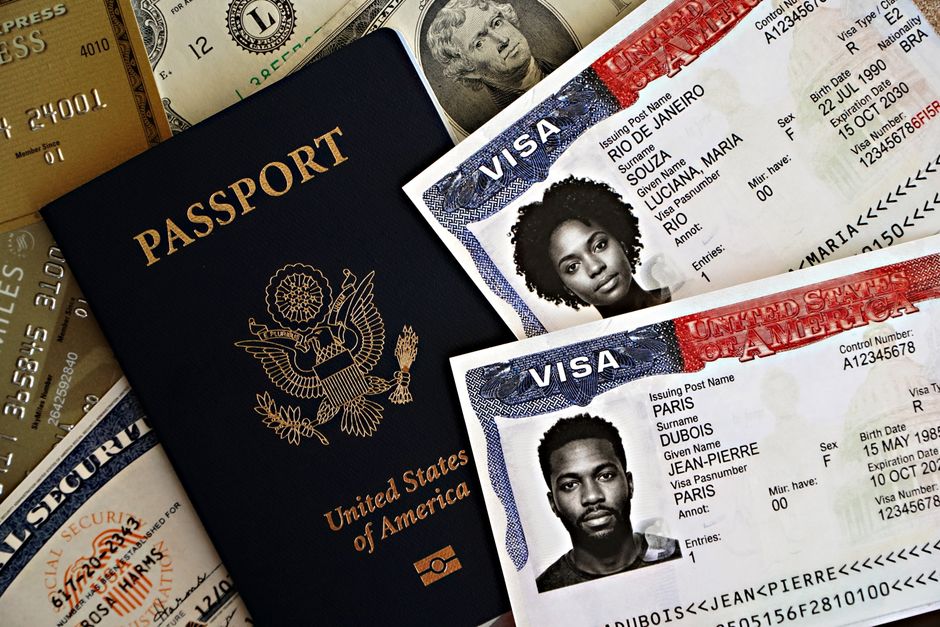
Personal identification documents are mandatory: a valid passport (or travel document) that remains valid for the duration of your intended stay, a recent passport‑style photograph that meets UKVI specifications, and, if applicable, any previous UK visas or entry stamps that show your travel history.
Proof of your artistic credentials is essential. Include a curated portfolio of your best work, exhibition catalogues, gallery invitations, press coverage, and artist statements. High‑resolution images or PDFs of your pieces should be organized chronologically to illustrate career progression.
Awards, fellowships, and recognitions add weight. Provide official certificates, letters from awarding institutions, and media articles that verify the prestige of each accolade. If you have been shortlisted for major prizes, include nomination letters as well.
Letters of recommendation from established figures in the visual arts sector are required. These should be on official letterhead, signed, and detail the recommender’s relationship to you, your artistic impact, and why you merit the Global Talent visa.
Financial evidence is part of the supporting documentation. Submit bank statements, sponsorship letters (if any), or a self‑employment income summary to prove you can sustain yourself without recourse to public funds while in the UK.
If you have previously worked or studied in the UK, include transcripts, diplomas, or work contracts. Even short‑term residencies or workshops can strengthen your case by showing familiarity with the UK arts ecosystem.
A detailed cover letter tying all documents together helps the caseworker understand your narrative. Explain how your work aligns with the UK’s cultural priorities, your future plans in the UK, and how the Global Talent visa will enable you to contribute to the sector.
Finally, submit all documents through the official UKVI online portal, ensuring each file meets size and format requirements. MyVisaAI can generate a personalized document checklist, auto‑fill PDF forms, and provide fee breakdowns, making the process smoother for global applicants.
Remember to keep copies of every submission and track your application status through the UKVI portal. If any additional evidence is requested, respond promptly to avoid delays.
For related guidance on using AI tools for UK visa applications, see our post on how to use an AI assistant to auto‑fill the UK Tier 2 (Skilled Worker) visa application for a remote‑first company.
Related Guide: What documents are required for a UK Skilled Worker visa when the applicant is self‑employed and living outside the UK?