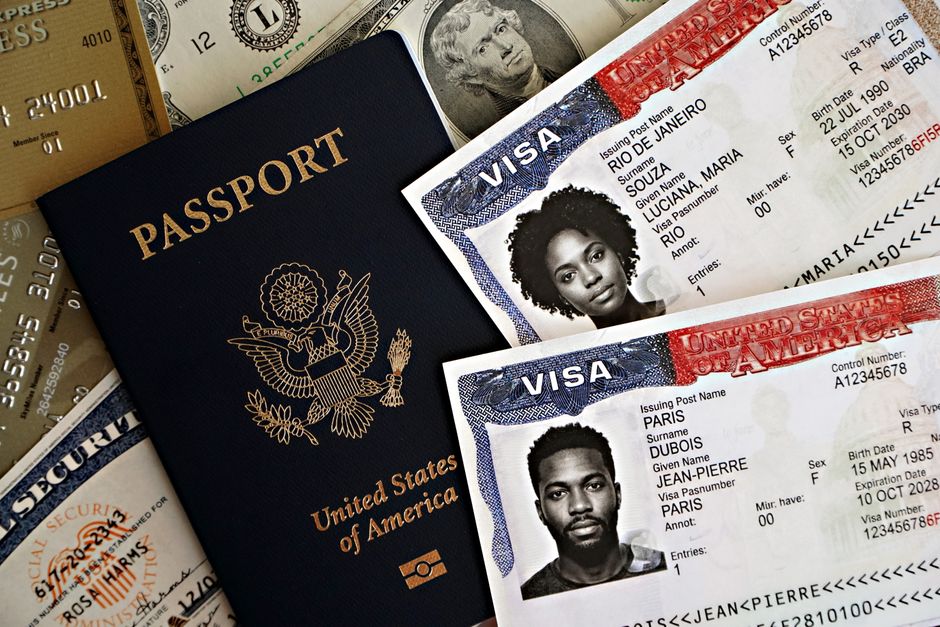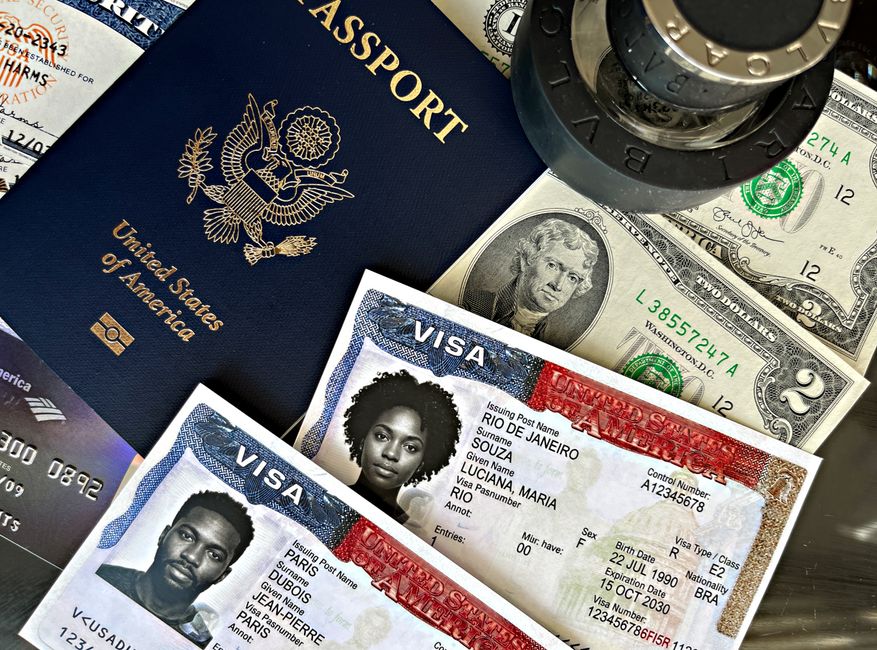
Direct Answer: When a travel ban is enacted, most pending US visa applications are placed on hold until the ban is lifted or an exemption applies; the application’s status remains "pending" and any fees paid are retained, but further adjudication, interviews, or document uploads are typically paused until the government reopens the specific visa category.
Travel bans can be broad, targeting entire countries, or narrow, focusing on specific visa categories (e.g., certain non‑immigrant visas). The US Department of State and USCIS issue official notices that outline which visa classes are affected, so applicants should first verify whether their specific visa—B1/B2, F‑1, H‑1B, etc.—is included in the restriction.
For applicants who have already submitted a petition or application, the most common outcome is a "status unchanged" notice in the online case portal (CEAC or USCIS MyCase). This means the file stays in the queue, but no further action (interview scheduling, biometric collection, or final adjudication) will occur until the ban is rescinded or a waiver is granted.
If you are in the midst of gathering documents, the AI‑driven checklist on MyVisaAI can still be useful. The platform continues to provide the complete list of required items, fee breakdowns, and processing‑time estimates, but it will flag any steps that are temporarily unavailable due to the ban, helping you avoid wasted effort.
Eligibility evaluations performed by MyVisaAI remain valid during a travel ban. The instant qualification matching algorithm does not reset; however, the platform will automatically annotate the result with a warning that the current ban may delay issuance, ensuring transparency for global citizens in the US, Canada, UK, India, Pakistan, Philippines, Nigeria, and the UAE.
For non‑immigrant visas such as B1/B2 Visitor or F‑1 Student, a travel ban often means that any scheduled consular interview will be canceled or postponed. Applicants can usually reschedule without incurring additional fees once the ban lifts, but they should monitor the embassy’s online appointment system for updates.
Immigrant visa categories (e.g., Green Card, EB‑2/EB‑3) can face longer delays because USCIS may halt the entire adjudication pipeline. In such cases, the petition remains active, and any premium processing fees already paid are not refunded, but the case will move forward once the ban is lifted or an exemption is granted.
Certain travel bans include specific exemptions for students, researchers, or humanitarian cases. If you qualify for an exemption, you can submit a request through the US embassy or consulate’s portal. MyVisaAI’s "auto‑fill" feature for forms like DS‑260 can streamline the exemption request, reducing the risk of errors that could further delay the process.
It is crucial to keep your contact information current in the visa portal. Even during a ban, the Department of State may send important updates, such as a change in the ban’s scope or a new waiver program. MyVisaAI can automatically sync with official portals and alert you to any status changes.
While the ban is in effect, you may still be able to explore alternative pathways. For instance, if your US B1/B2 visa is blocked, you might consider applying for a Canadian Study Permit or a UK Skilled Worker visa, both of which MyVisaAI supports with dedicated checklists and eligibility calculators.
Financially, the fees you paid for the visa application are generally non‑refundable, but the platform’s fee‑breakdown tool helps you understand the total cost landscape, including any potential re‑application fees if the ban forces you to restart the process later.
Once the travel ban is lifted, processing resumes according to the normal queue. Applicants should be prepared for a potential surge in demand, which can temporarily extend wait times. Using MyVisaAI’s timeline estimator can give you a realistic expectation of when your case might be finally adjudicated.
In summary, a travel ban pauses rather than cancels pending US visa applications. Stay informed through official embassy notices, keep your documentation ready, and leverage AI tools like MyVisaAI to navigate the uncertainty efficiently.
For related guidance, see our posts on How to use an AI tool to compare US visa fee structures across categories and How to estimate total fees for a US B1/B2 visa using MyVisaAI’s calculator.
Related Guide: What are the eligibility requirements for a US L-1 intra-company transfer visa?