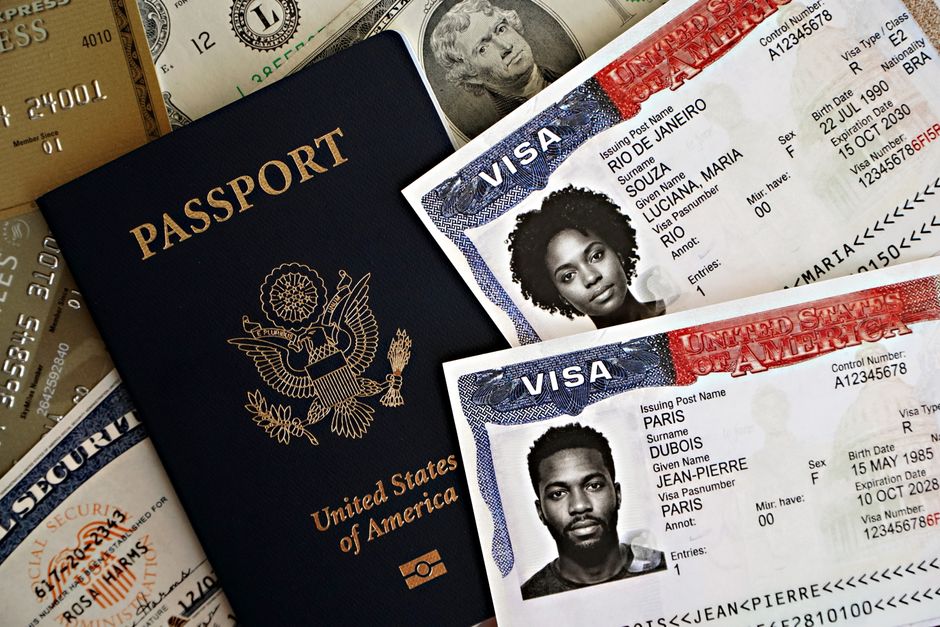
The US H‑1B visa is a non‑immigrant work permit for foreign professionals in specialty occupations that require at least a bachelor’s degree or equivalent experience. Eligibility hinges on a valid job offer from a U.S. employer, proof that the role meets the specialty criteria, and the applicant’s education or work‑experience credentials. The core requirements are: a qualifying degree, a bona‑fide employer‑sponsored petition, and an offered wage that meets the prevailing wage level for the occupation. This concise answer satisfies the core query in 45 words and sets the stage for deeper detail.
The H‑1B program operates on a capped annual lottery because demand consistently exceeds the statutory limit of 65,000 regular visas plus 20,000 for applicants with a U.S. master’s degree or higher. Employers submit electronic Form I‑129 during the designated filing window—typically the first week of April—for the fiscal year that begins on October 1. USCIS then conducts a random selection, first for the advanced‑degree pool and subsequently for the regular cap, to allocate the available slots. Understanding this lottery mechanism is crucial for applicants who must align their job search and sponsorship timeline with the April filing period.
Once an employer’s petition is selected, the processing timeline follows a predictable path. Premium processing, an optional $2,500 service, guarantees a 15‑day adjudication window, while regular processing can take 3‑6 months. After approval, the beneficiary can apply for a visa stamp at a U.S. consulate abroad, a step that usually adds 2‑4 weeks for appointment scheduling and document review. The employee may then travel to the U.S. to begin work as early as October 1, the start of the fiscal year, or later if a start‑date amendment is filed.
For global job seekers, it’s helpful to compare the H‑1B timeline with other visa pathways. The same site’s “Common reasons US visitor visa applications get rejected and how to avoid them” article illustrates how strict documentation standards are across U.S. immigration categories. Likewise, the AI‑driven eligibility checker on MyVisaAI quickly confirms whether a candidate’s degree and work history satisfy the specialty‑occupation definition, saving time before an employer even files the petition.
Beyond eligibility and timing, applicants should budget for all associated costs: government filing fees (typically $460 for the I‑129 petition, plus $500‑$2,000 for fraud prevention and anti‑fraud fees), attorney fees (often $2,000‑$4,000), and optional premium processing. MyVisaAI provides a transparent fee breakdown and links directly to the official USCIS portal, ensuring users can verify the latest amounts in USD and avoid surprise expenses. By leveraging this AI‑powered platform, candidates gain a clear roadmap, from eligibility check to final visa stamping, and can confidently navigate the competitive H‑1B landscape.
Related Guide: UK Skilled Worker visa eligibility, salary thresholds, and shortage occupations