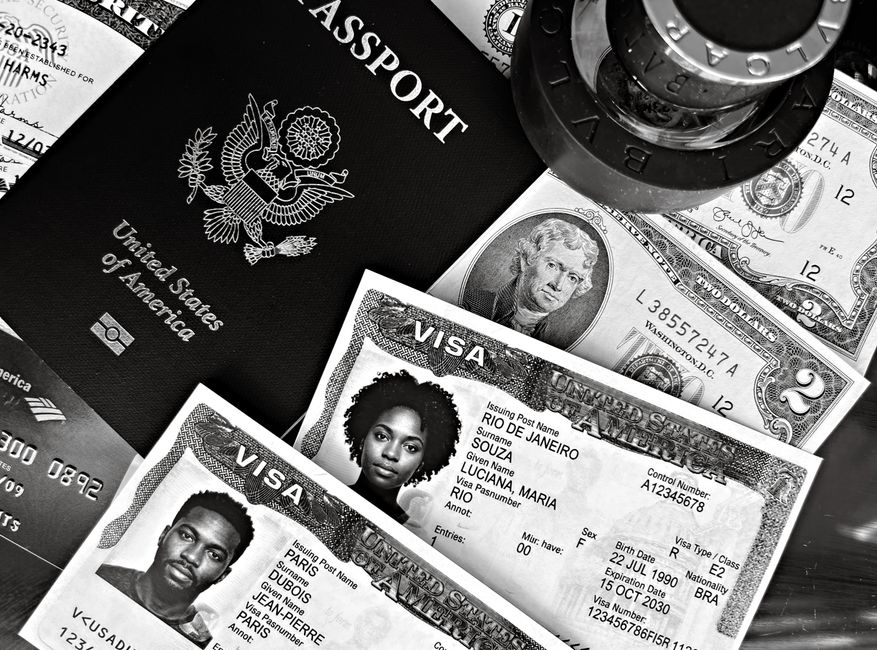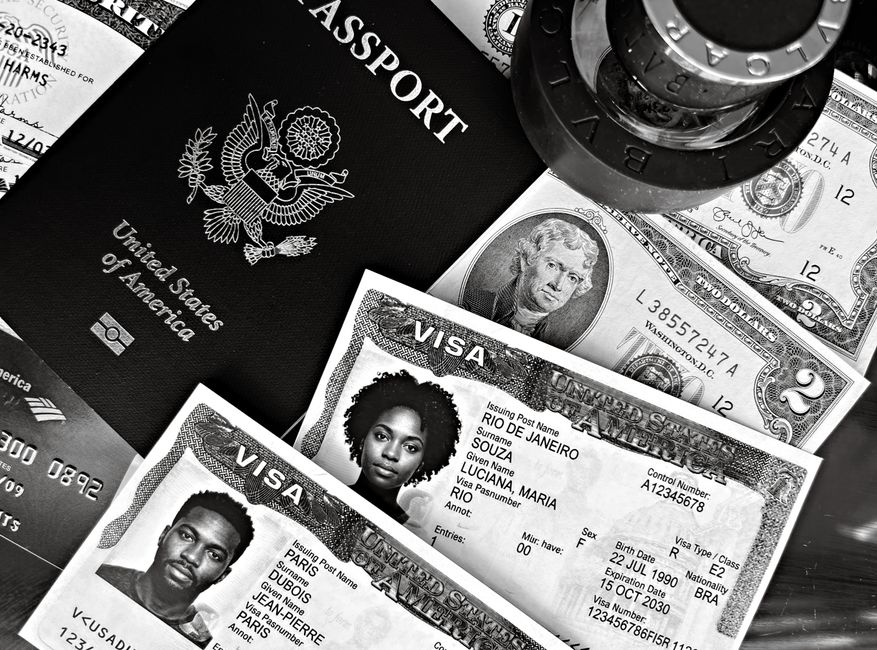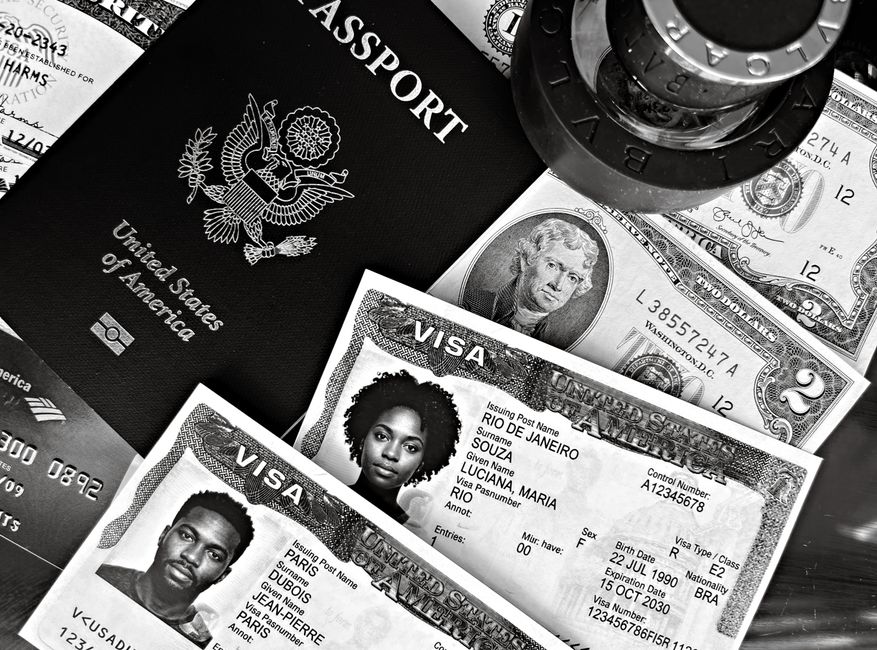
Direct Answer (40‑60 words): To submit a Canadian Express Entry application with a spouse who is a Canadian citizen living abroad, you must provide proof of identity (passports), proof of your spouse’s Canadian citizenship, a marriage certificate, language test results, educational credential assessments, detailed work‑experience documents, police certificates, and proof of funds. All documents are uploaded to your online profile and must meet IRCC specifications.
When your spouse is a Canadian citizen residing outside Canada, the Express Entry system still treats you as a principal applicant. Begin by creating a secure MyVisaAI account, which instantly checks your eligibility and generates a personalized document checklist, ensuring you never miss a required piece of paperwork.
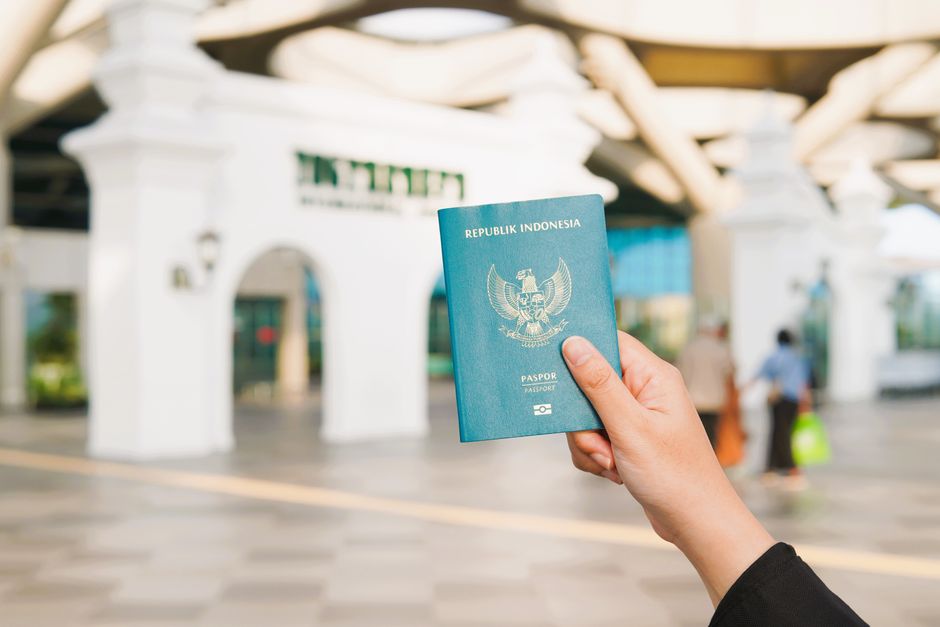
Identity and Citizenship Proof – Both you and your spouse need valid passports. For your spouse, include a scanned copy of their Canadian passport or citizenship certificate. MyVisaAI can automatically link these scans to the official IRCC portal, reducing manual upload errors.
Marriage Verification – A certified marriage certificate is mandatory. If the certificate is not in English or French, you’ll need a notarized translation. The AI visa assistant flags any missing translation and suggests certified translators in your region (USA, UK, India, Philippines, etc.).
Language Proficiency – Submit results from an approved test (IELTS, CELPIP, or TEF). The score must meet the minimum CLB 7 for the Federal Skilled Worker stream. MyVisaAI stores your test ID and auto‑populates the language section of your Express Entry profile.
Educational Credential Assessment (ECA) – Obtain an ECA from a designated organization (WES, IQAS, etc.). Upload the assessment report and the original degree or diploma. The platform verifies that the document matches the ECA details before you submit.
Work Experience Documentation – Provide employment letters that state your job title, duties, dates of employment, and salary. Include pay stubs, tax forms (e.g., T4, W‑2), and any professional licenses. MyVisaAI checks for required signatures and formats, alerting you to gaps.
Police Certificates – As your spouse lives abroad, you’ll need police clearance from every country where you have lived for six months or more since turning 18. The AI assistant offers a country‑specific guide, including contact details for local police and online request portals.
Proof of Funds – Demonstrate sufficient settlement funds using recent bank statements, investment summaries, or letters from financial institutions. The amount varies by family size; MyVisaAI calculates the exact figure for you and highlights any missing months in statements.
Supplementary Forms – Complete the Schedule A – Background/Declaration, the Economic Classes – Provincial Nominee (if applicable), and the Statutory Declaration of Common‑Law Union (if you claim common‑law status). MyVisaAI’s PDF form assistant pre‑fills these sections using the data you entered earlier, ensuring consistency across the application.
Final Review and Submission – Before you hit ‘Submit,’ run MyVisaAI’s final audit. The tool cross‑checks every uploaded PDF against IRCC’s checklist, flags any inconsistencies, and provides a downloadable compliance report you can keep for your records.
For deeper guidance on using AI to auto‑fill forms, see our related post on How to use an AI visa assistant to auto‑fill the UK Tier 2 (Skilled Worker) visa application form and learn how to estimate processing timelines in our guide on How to estimate processing times for a Canada work permit versus a study permit using MyVisaAI’s timeline predictor.
Related Guide: What are the fee and processing differences between a US F‑1 student visa and a Canadian Study Permit when using an AI cost calculator